Butter, butter, butter. The biggest difference between southern and northern Italian cuisine is the use of oil or butter. Influenced by Spanish, French and Austrian culture, the empires and kingdoms that have governed Lombardy over the last few centuries which made an influence to the local culture. This allowed the cuisine to evolve and mix with the more central European one.
Pasta, pizza and meatballs obviously there is no need to have an introduction to you or myself. I’m sure many of you do not know the dishes we are about to list. These dishes will give you a different point of view on Italian cuisine and you’ll catch yourself craving it every day.
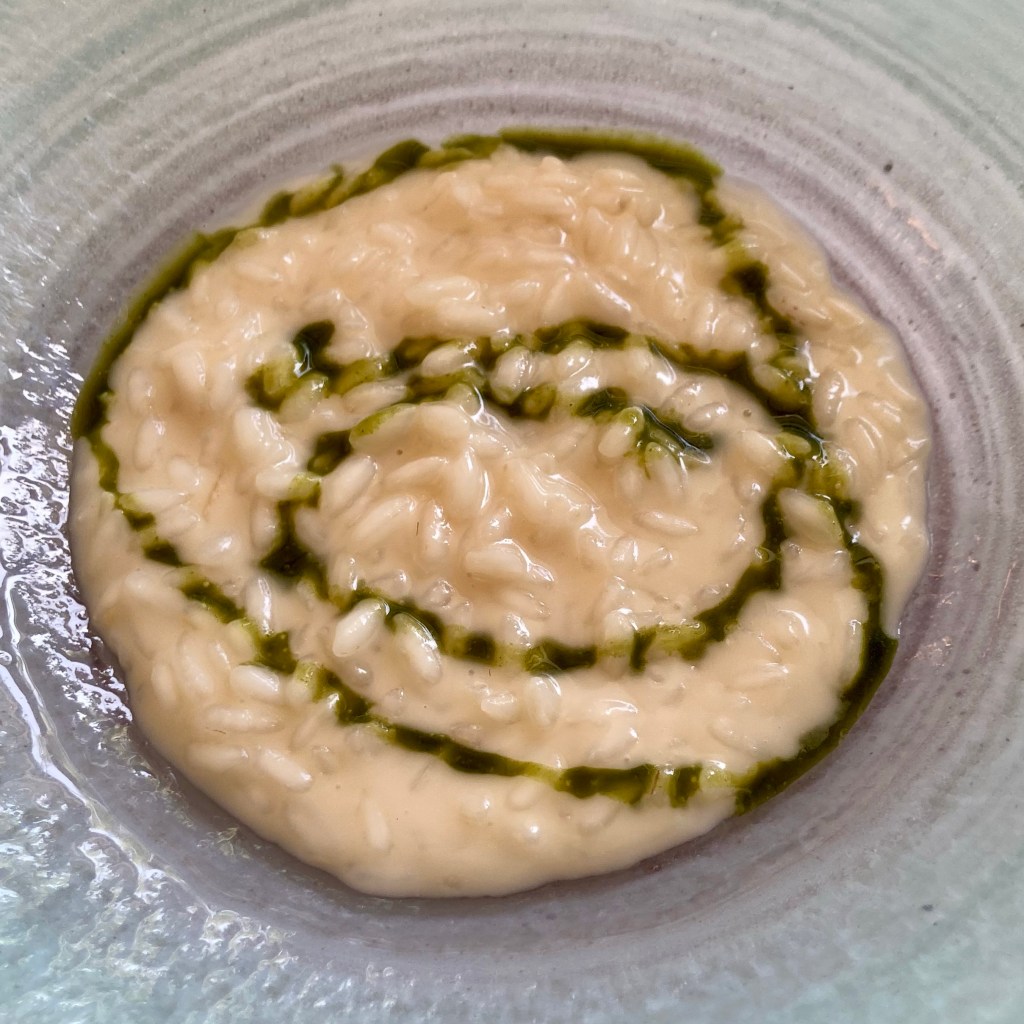
RISOTTO
There is a reason why the typical dish of Milan is Rice: the quantity of rice fields that are enormously present around the city borders! 6km away from Duomo. Legend has it that a painter slipped, perhaps by mistake or perhaps as a joke, some saffron (which at the time was used for painting) into a plate of risotto. Thus was born the king of Milanese cuisine, a rice cooked using a meat broth that is added little by little and creamed with butter and parmesan! If you want more of a milanesi traditional plate, you try it with ossobuco!
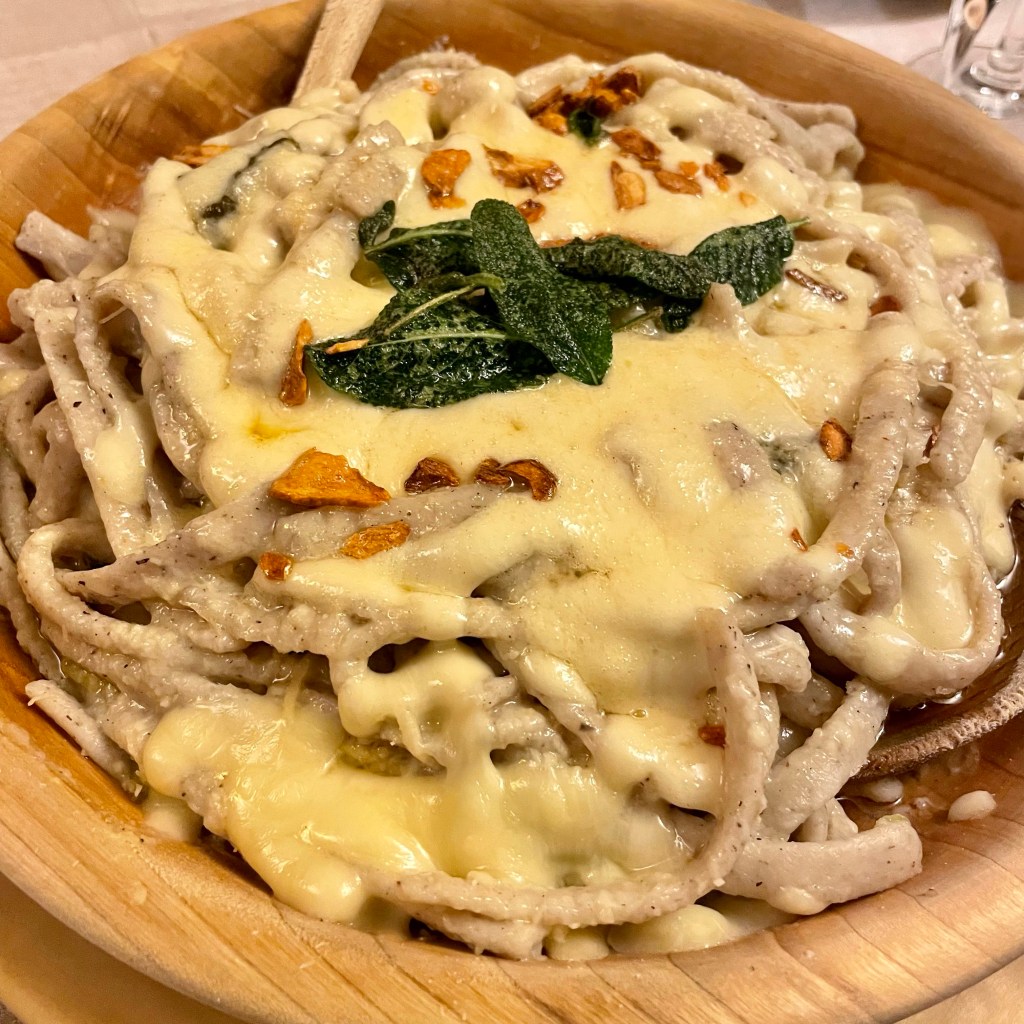
PIZZOCCHERI
Born in the famous valley named Valtellina which is surrounded by the beautiful Italian Alps, they are a symbol of Lombard mountain cuisine! Buckwheat tagliatelle added with cabbage and potatoes and covered with cheese, butter and garlic. The first course will fill you completely but you will still want to eat it again and again, preferably on a cold winter day.
CUTLETS
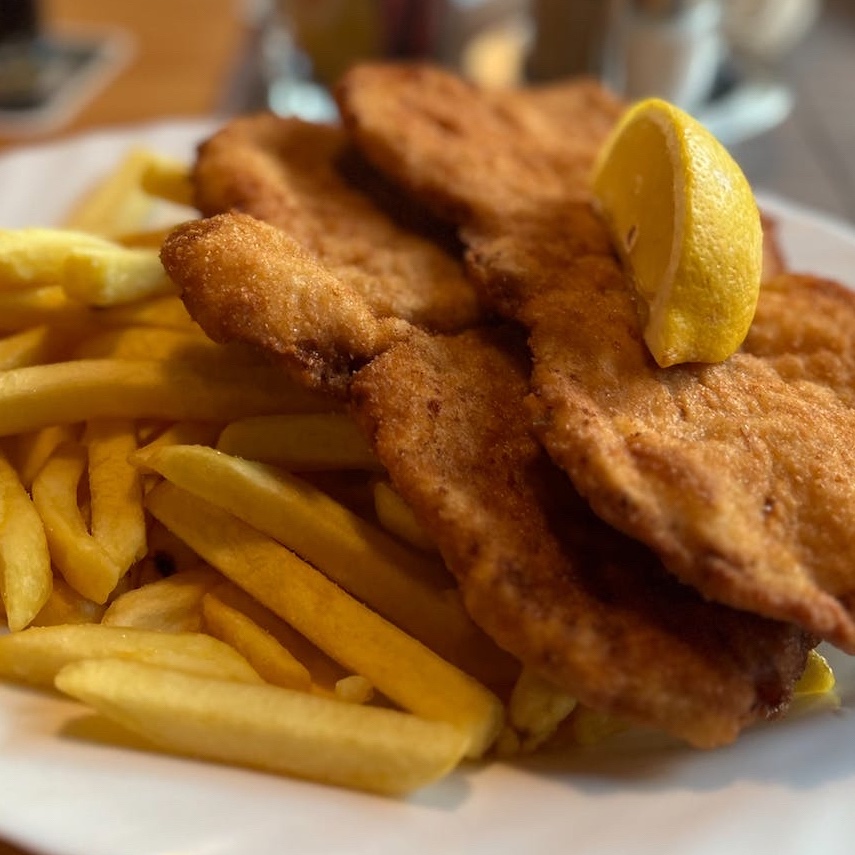
Veal breaded and fried in butter. In the butter! Forget the chicken from Popeyes or your favorite bar, it’s serious here. Traditionally there are two versions: a low and huge one, nicknamed elephant ear, crunchy and tasty. The other thick and juicy, slightly pink inside and loved by those who want to taste meat. The butter used is an Italian version of Indian ghee, suitable for cooking at high temperatures and which releases the typical aroma.
 The Northern Taste
Leave a comment